

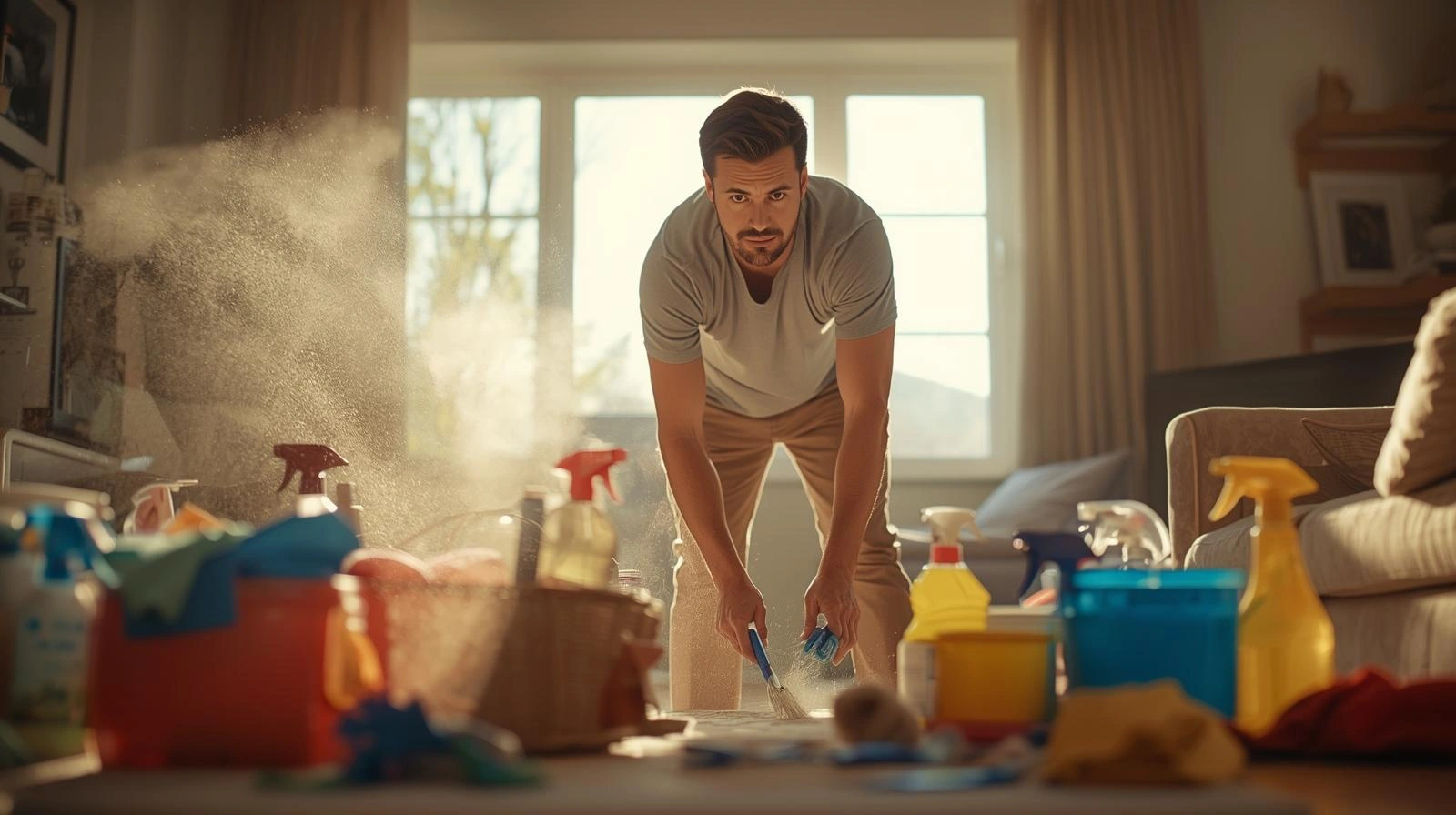
Big cleaning projects can be intimidating for homeowners, especially in a bustling city like Bangkok. Whether you’re cleaning your apartment after a long-term renovation, or preparing your house for a seasonal refresh, the thought of tackling large-scale cleaning tasks can feel overwhelming. But with the right approach and a few expert tips, you can manage your big cleaning projects like a pro.
In this guide, we’ll walk you through 5 essential strategies to make your big cleaning projects more manageable, ensuring you not only get the job done but also do it efficiently and effectively. From tackling heavy-duty cleaning tasks to creating a sustainable cleaning plan, you’ll gain actionable insights to turn your cleaning challenges into a seamless process.
Why Does Big Cleaning Feel Overwhelming?
For homeowners, the prospect of tackling a big cleaning project can stir feelings of dread. You might feel like you don’t have the time, the tools, or the knowledge to get the job done effectively. Perhaps you’ve been putting off that deep clean for months or even years, and the clutter just keeps piling up.
It’s common to feel overwhelmed, especially in a fast-paced city like Bangkok, where daily life often doesn’t leave room for deep cleaning. But don’t worry—big cleaning doesn’t have to be difficult or stressful. With the right planning and strategies, you can break the process down into manageable tasks that will leave your home sparkling clean and refreshed.
What Makes Big Cleaning Projects Different from Regular Cleaning?
Big cleaning projects differ from regular home cleaning in several key ways. While regular cleaning focuses on maintaining a certain level of cleanliness in your home (such as sweeping, dusting, and wiping surfaces), big cleaning involves a much deeper level of work. It requires a more thorough approach, often targeting areas that don’t get cleaned on a regular basis, such as deep carpet cleaning, tile and grout scrubbing, or even organizing storage spaces.
The scale and scope of big cleaning projects also require more time, effort, and planning. It’s not just about surface-level cleaning; you need to think about the logistics and how to handle different types of tasks effectively. Additionally, cleaning methods and tools need to be suited to your specific space, whether you’re dealing with a high-rise apartment in downtown Bangkok or a traditional townhouse in one of the city’s quieter districts.
5 Key Tips to Tackle Big Cleaning Projects
1. How Can You Plan a Big Cleaning Project Effectively?
When it comes to big cleaning projects, planning is half the battle. Without a clear plan, it’s easy to get sidetracked or overwhelmed. Here’s how to plan your big cleaning project effectively:
Create a Cleaning Checklist:
Start by listing the areas of your home that need attention. Focus on areas that are most neglected, like deep cleaning carpets or scrubbing walls. Prioritize the most time-consuming or challenging tasks so you can tackle them first.
Break the Task into Smaller Chunks:
Don’t try to do everything at once. Divide the cleaning project into manageable sections. For instance, if you’re tackling a deep clean of your entire apartment, you might want to dedicate one day to the kitchen, another to the bathroom, and another to living spaces.
Set Realistic Deadlines:
Decide how much time you can realistically dedicate to the project. Are you cleaning over the course of a weekend, or will it take several days? Setting deadlines for each task will help you stay on track.
Pro Tip: In Bangkok, where the weather can be humid and unpredictable, aim for cleaning sessions during cooler months or weekends to avoid heat and discomfort.
2. What Tools and Supplies Do You Need for Big Cleaning Projects?
A big cleaning project requires the right set of tools. Don’t get stuck with subpar equipment when cleaning large spaces, as this can make the job longer and harder. Here’s a list of essential cleaning tools and supplies:
- Heavy-duty Vacuum: For carpets and large areas. Consider a vacuum with a HEPA filter for dust and allergens, which can be particularly useful in urban areas like Bangkok.
- Mops and Buckets: For floor cleaning, especially important in Bangkok’s high humidity where floors can collect moisture and dirt quickly.
- Scrub Brushes: Use these for tackling grout, tiles, or kitchen appliances.
- Cleaning Cloths: Microfiber cloths work best for dusting and polishing without leaving streaks.
- Non-toxic Cleaning Solutions: As an environmentally conscious homeowner, opt for eco-friendly cleaning products to minimize your carbon footprint, especially given Bangkok’s pollution levels.
Pro Tip: If you’re a business owner in Bangkok, you may want to invest in commercial-grade equipment to speed up cleaning processes and ensure the best results.
3. How Can You Organize and Declutter Before Cleaning?
Before diving into the actual cleaning, it’s crucial to declutter your space. Clutter can make the process feel even more overwhelming, and it can also get in the way of achieving a truly clean space. Here’s how to do it:
Sort through Your Items:
Start by assessing what you truly need, and what can be donated or thrown away. Sorting your belongings into categories like “keep,” “donate,” or “discard” is a simple way to declutter.
Storage Solutions:
Once you’ve decided what to keep, consider investing in proper storage solutions. This could be shelving units, under-bed storage, or organizational baskets. Proper storage will not only help keep things tidy but also make cleaning easier down the road.
Real-World Example: A client in Bangkok who operates a small business in a condo opted for high-quality storage boxes to reduce clutter. This allowed them to do deep cleaning in fewer hours since they weren’t bogged down by disorganization.
4. How Can You Tackle Specific Areas in Your Home?
Certain areas in your home require specific cleaning techniques, especially when dealing with a large-scale project. Here’s how to handle different zones:
Kitchen Deep Cleaning:
Focus on scrubbing kitchen surfaces, including countertops, cabinets, and floors. For appliances, like your oven and refrigerator, use specialized cleaners designed to cut through grease and grime.
Bathroom Cleaning:
Use powerful disinfectants for surfaces like toilets, showers, and sinks. Don’t forget to clean areas that often get neglected, like behind the toilet and on top of cabinets.
Living and Sleeping Areas:
For large areas like living rooms or bedrooms, deep clean your upholstery and curtains. Regularly vacuum under furniture to remove hidden dust bunnies.
Floors:
In Bangkok, where dust and moisture can accumulate quickly, be sure to sweep and mop floors regularly. For tiled floors, pay special attention to grout lines with a powerful cleaner.
Expert Insight: Hiring a professional cleaning service, like those specializing in Home Cleaning Bangkok, can ensure that your home receives a thorough cleaning. Local services are familiar with the challenges posed by Bangkok’s climate and pollution.
5. How Can You Maintain a Clean Home After the Big Clean?
Once you’ve completed your big cleaning project, it’s important to maintain the cleanliness over time. Here’s how you can keep things neat and tidy:
Implement a Cleaning Schedule:
Create a weekly or monthly cleaning schedule to stay on top of daily maintenance. For example, dedicate one day a week to cleaning specific areas of your home, such as the bathroom or kitchen.
Stay Organized:
As mentioned earlier, keeping your home organized will make cleaning less overwhelming. Implementing systems for things like laundry, dishes, and storage can prevent clutter from building up.
Pro Tip: Set a timer for daily quick clean-ups to keep your home in top shape without overloading yourself. A 15-minute daily cleaning session is a game-changer for maintenance.
Conclusion
Big cleaning projects don’t have to be overwhelming. With proper planning, the right tools, and specific strategies for tackling various areas of your home, you can take charge of your cleaning tasks and enjoy a fresh, organized living space. Whether you’re deep cleaning your kitchen, decluttering your living room, or refreshing your bathroom, these tips will make the process more manageable and less stressful.
In Bangkok, where unique environmental factors like humidity, dust, and pollution can impact cleanliness, remember that consistency and the right cleaning supplies are key to maintaining a healthy and comfortable home. If the task feels too big to handle alone, consider hiring a professional Home Cleaning Bangkok service to ensure top-notch results.
FAQ Section
Q1: How often should I tackle big cleaning projects in my home?
It’s ideal to tackle big cleaning projects every 3-6 months, depending on the size of your home and the level of dirt accumulation. Smaller tasks can be done monthly to maintain cleanliness.
Q2: Can I do big cleaning projects on my own, or should I hire help?
You can absolutely handle big cleaning projects on your own with proper planning and the right tools. However, hiring a Home Cleaning Bangkok service is a great option for time-strapped homeowners or those who prefer professional help.
Q3: What’s the best way to clean the kitchen and remove grease from appliances?
Use a grease-cutting cleaner or make your own by mixing baking soda and vinegar. Scrub the surfaces thoroughly, especially behind appliances and on stovetops.
Q4: How do I handle clutter in small apartments in Bangkok?
For small spaces, invest in vertical storage solutions like shelves or hanging organizers. Regularly assess what items you truly need and donate or discard anything you don’t use frequently.
Q5: Can big cleaning projects help reduce allergies?
Yes! Regular deep cleaning helps remove allergens such as dust, pet dander, and mold. Using HEPA filters in vacuums and air purifiers can also help reduce allergy symptoms.
Q6: How do I know when to replace cleaning supplies or tools?
Check for wear and tear. If your cleaning tools are no longer working effectively (e.g., vacuum filters are clogged or mops are worn out), it’s time to replace them.