

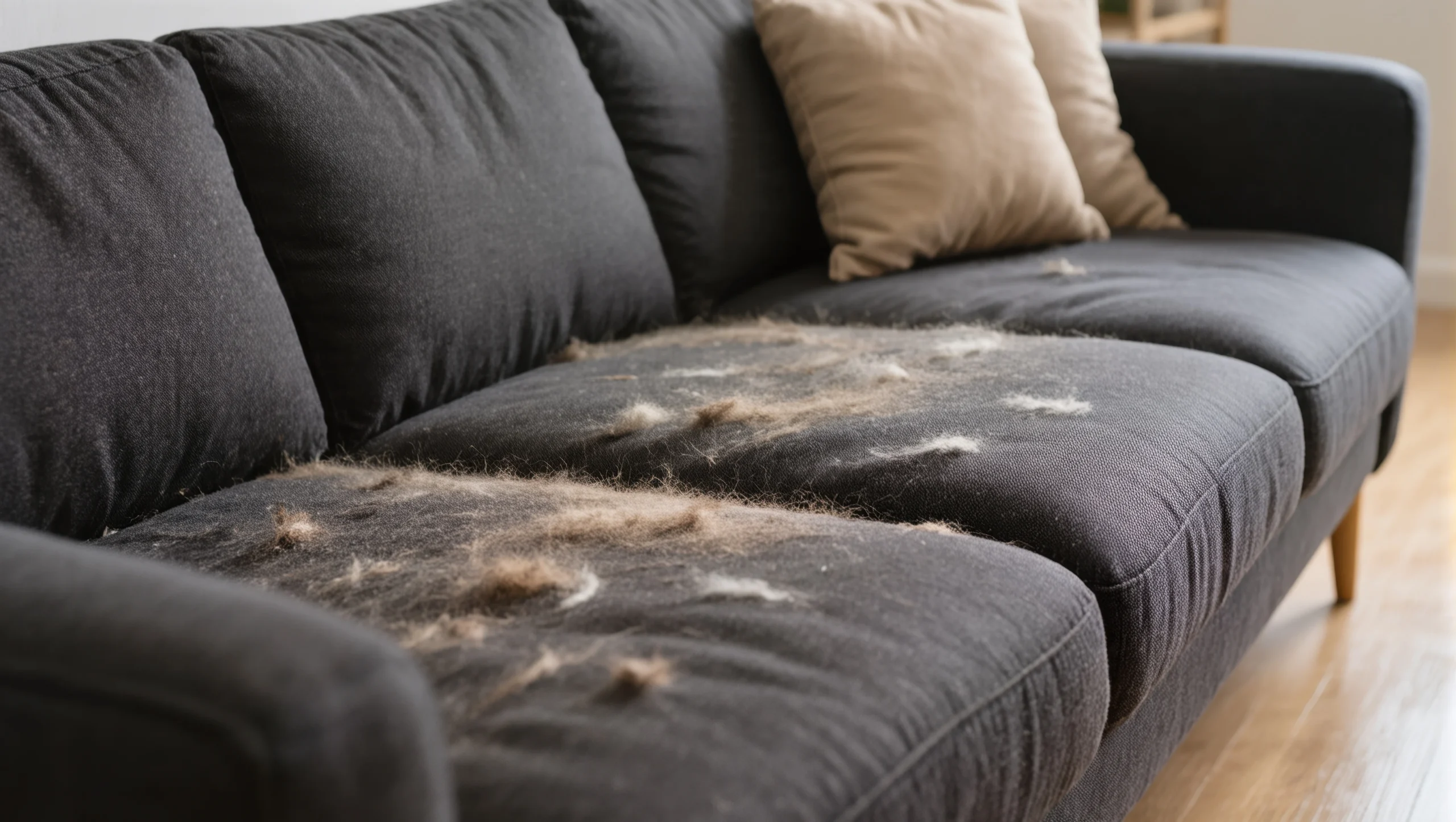
How often should you really do your sofa cleaning when you have dogs or cats at home? Once a week? Once a month? Or only when it starts to smell?
Here’s the uncomfortable truth: if you have pets, your sofa is likely dirtier than you think. Pet hair, dander, oils, saliva—and yes, microscopic dust mites—build up fast. According to the American Lung Association, pet dander is a common indoor allergen that can linger in soft furnishings for weeks if not properly cleaned.
I’ve seen it firsthand—homeowners who vacuum weekly but still struggle with odors, allergies, or worn-out upholstery. The issue isn’t effort. It’s strategy.
In this guide, you’ll learn exactly how often sofa cleaning should be done with pets, what factors change your cleaning frequency, and how to build a simple, effective cleaning system. No fluff. Just what actually works.
How Often Should Sofa Cleaning Be Done With Pets at Home?
Let’s cut through the noise.
If you have dogs or cats, your sofa cleaning frequency should be significantly higher than in a pet-free home.
Recommended Sofa Cleaning Schedule (With Pets)
| Cleaning Type | Frequency (With Pets) |
| Light vacuuming | 2–3 times per week |
| Pet hair removal | Daily (quick pass) |
| Spot cleaning | As needed |
| Deep cleaning (DIY) | Every 1–2 months |
| Professional cleaning | Every 3–6 months |
Why this aggressive schedule?
Because pets introduce:
- Hair and fur that trap dust
- Skin flakes (dander)
- Body oils that stain fabric
- Bacteria from paws and saliva
A study published in Environmental Health Perspectives found that soft surfaces like sofas can harbor up to 12x more allergens than hard surfaces.
If you’re cleaning less than this? You’re not maintaining—you’re reacting.
Why Does Sofa Cleaning Frequency Increase With Dogs and Cats?
It’s not just about visible mess. It’s what you don’t see.
Hidden Contaminants in Pet Households
- Pet dander: Microscopic skin flakes that trigger allergies
- Dust mites: Thrive in warm, soft furniture
- Bacteria: Carried from outside via paws
- Odor-causing oils: From fur and skin
Expert Insight
Veterinary dermatologists note that even well-groomed pets shed dander daily. That means your sofa becomes a constant collection point.
Real Example
A client in Bangkok vacuumed weekly but complained about a persistent odor. When we tested the sofa, the issue wasn’t dirt—it was embedded oils and bacteria. After professional sofa cleaning, the smell disappeared instantly.
Lesson: Surface cleaning isn’t enough.
What Happens If You Don’t Clean Your Sofa Regularly?
Let’s be blunt—neglecting sofa cleaning with pets isn’t harmless.
Immediate Problems
- Visible pet hair buildup
- Lingering odors
- Stains from accidents
Long-Term Damage
- Fabric deterioration from oils
- Permanent discoloration
- Increased allergy symptoms
Statistic That Matters
The Asthma and Allergy Foundation reports that dust mites can double every 2–3 weeks in favorable conditions.
That means your sofa can go from “fine” to “problematic” very quickly.
Mini Case Study
A household in Chiang Mai delayed deep cleaning for 8 months. Result?
- Sofa discoloration
- Persistent smell
- Required full upholstery replacement
Cost of prevention: ~1,500–3,000 THB
Cost of replacement: 20,000+ THB
Do the math.
How Do You Handle Pet Hair Sofa Cleaning Effectively?
Pet hair is the biggest daily battle.
Best Methods That Actually Work
1. Rubber Brush or Glove
Static electricity lifts hair easily. Faster than vacuuming alone.
2. HEPA Vacuum
Essential for trapping fine particles and allergens.
3. Lint Rollers (Quick Fix)
Great for daily maintenance, not deep cleaning.
4. Fabric Spray + Wipe
Loosens embedded hair before vacuuming.
Pro Tip
Vacuum in multiple directions. Hair embeds itself into fabric fibers—one pass won’t cut it.
Common Mistake
Relying only on vacuuming.
That’s like rinsing dishes without soap.
How Do Dust Mites Affect Your Sofa (And Your Health)?
This is where things get serious.
Dust mites are invisible, but they:
- Feed on dead skin (human + pet)
- Multiply rapidly in humid climates (like Thailand)
- Trigger asthma and allergies
Why Sofas Are High-Risk
- Warm
- Soft
- Frequently used
Perfect breeding ground.
Statistic
Research shows that over 80% of homes contain detectable dust mite allergens, especially in upholstered furniture.
What Actually Works
- Hot water extraction (deep cleaning)
- Steam cleaning (kills mites)
- Anti-allergen sprays
Expert Insight
In humid regions like Thailand, dust mite control requires consistent cleaning—not occasional effort.
Should You Use Professional Sofa Cleaning Services in Thailand?
Short answer: yes—if you want real results.
Average Sofa Cleaning Prices in Thailand (2026)
| Sofa Type | Price Range (THB) |
| 2-seater sofa | 800 – 1,500 THB |
| 3-seater sofa | 1,200 – 2,500 THB |
| L-shaped sofa | 2,000 – 4,500 THB |
| Fabric deep cleaning | 1,500 – 3,000 THB |
| Leather cleaning | 1,000 – 2,500 THB |
When You Should Call Professionals
- Strong odors
- Visible stains
- Allergy issues
- Every 3–6 months (recommended baseline)
Mini Case Study
A pet owner in Phuket switched to quarterly professional sofa cleaning. Result?
- Reduced allergies
- No lingering odor
- Sofa lifespan extended by years
Pro Tip
Choose services that offer:
- Steam cleaning
- Anti-bacterial treatment
- Fast drying
What’s the Ideal Sofa Cleaning Routine for Pet Owners?
Let’s simplify everything into a system.
Weekly Routine
- Vacuum 2–3 times
- Remove visible pet hair daily
- Spot clean spills immediately
Monthly Routine
- Fabric refresh spray
- Cushion rotation
- Deep vacuum (crevices, underside)
Quarterly Routine
Checklist You Can Follow
- Remove pet hair daily
- Vacuum thoroughly twice weekly
- Address stains immediately
- Deep clean every 1–2 months
- Book professional cleaning every 3–6 months
Expert Insight
Consistency beats intensity. A simple weekly routine prevents expensive problems later.
Conclusion
If you have dogs or cats, sofa cleaning isn’t optional—it’s maintenance.
The right frequency?
- Light cleaning: multiple times per week
- Deep cleaning: every 1–2 months
- Professional cleaning: every 3–6 months
Ignore this, and you’ll deal with odors, allergens, and costly damage. Stay consistent, and your sofa stays fresh, hygienic, and long-lasting.
Your next step?
Audit your current routine. Be honest. Then fix the gaps.
Because in pet households, what you don’t clean… builds up fast.
FAQ
1. How often should sofa cleaning be done if I have dogs?
At minimum, vacuum your sofa 2–3 times per week and deep clean every 1–2 months. Professional sofa cleaning every 3–6 months is ideal for maintaining hygiene and preventing odor buildup.
2. What’s the best method for pet hair sofa cleaning?
Use a rubber brush or glove first, then vacuum with a HEPA filter. This combination removes both visible hair and fine allergens effectively.
3. Can dust mites live in sofas with pets?
Yes. Sofas are a prime habitat for dust mites, especially in humid climates. Regular sofa cleaning and steam treatments help reduce their population significantly.
4. Is professional sofa cleaning worth it in Thailand?
Absolutely. With high humidity and pet exposure, professional sofa cleaning ensures deep sanitization, odor removal, and longer furniture lifespan.
5. How do I remove pet odor from my sofa?
Use enzyme-based cleaners for minor odors. For deeper smells, professional steam cleaning is the most effective solution.
6. Does frequent sofa cleaning damage fabric?
No—if done correctly. In fact, regular maintenance prevents long-term damage caused by dirt and oils.
7. What’s the biggest mistake pet owners make?
Waiting too long between cleanings. By the time you notice dirt or smell, buildup is already deep inside the fabric.