

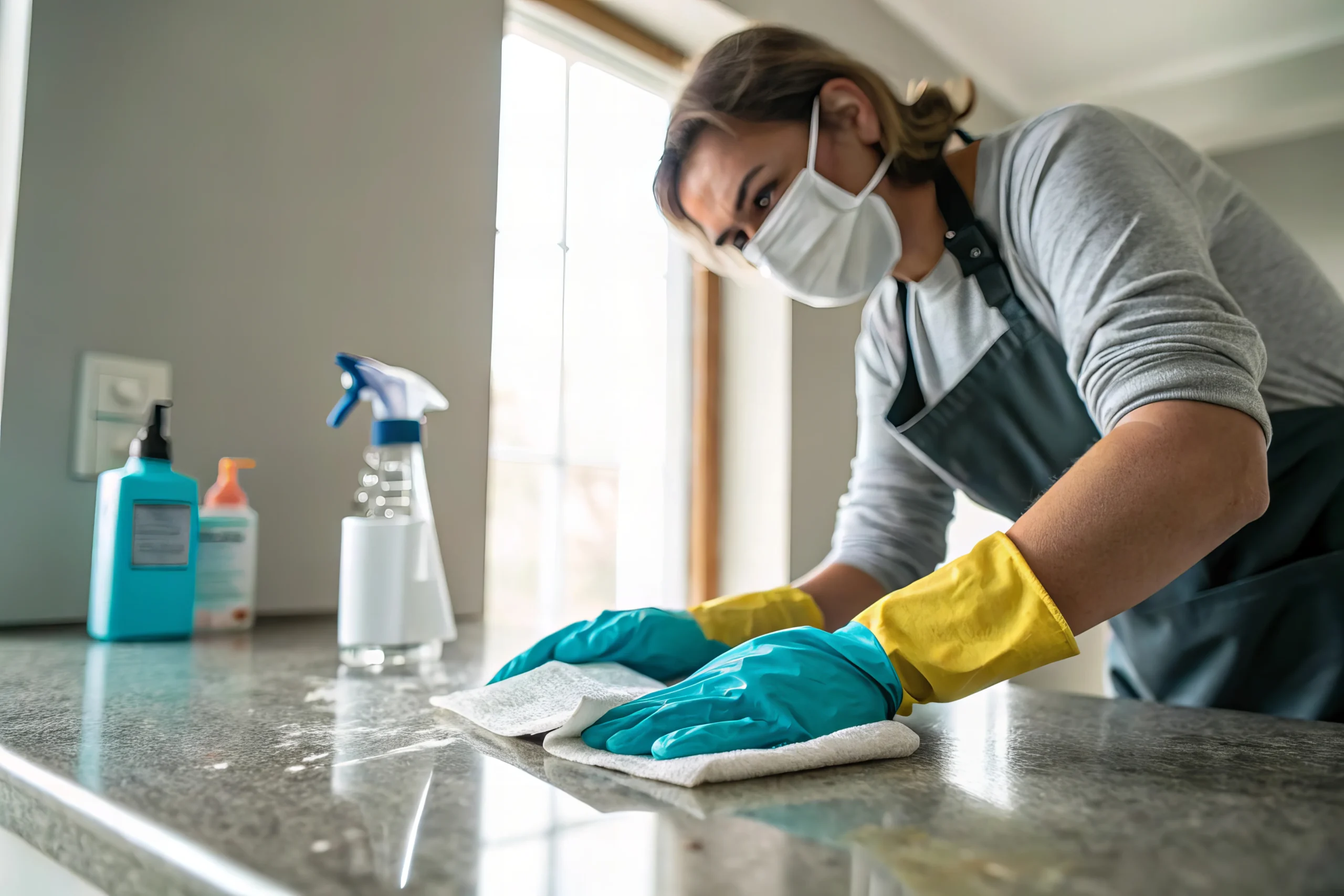
Have you ever walked into a “clean” home, opened a cabinet, and instantly realized it really wasn’t clean at all?
That’s the trap a lot of people fall into before a move. The floors look fine, the counters shine, and the place passes the quick glance test. Then moving day arrives and you notice greasy vents, dusty baseboards, stale odors, mystery grime behind the toilet, and crumbs in drawers you’re about to fill with your own things. That is exactly why deep cleaning matters.
A proper pre-move clean does more than make a place look good. It reduces dust, allergens, odors, and surface grime; protects your security deposit if you’re leaving; and gives you a healthier, calmer start if you’re arriving. The EPA says people spend about 90% of their time indoors, and indoor pollutant levels can be 2 to 5 times higher than outdoor levels. The CDC also notes that cleaning is the first step because dirt can make sanitizing or disinfecting less effective.
In this guide, you’ll learn the real reasons to clean deeply before a move, the biggest mistakes people make, how to handle move-in cleaning, what belongs on a move-out cleaning checklist, and the practical pre-move cleaning benefits that actually save time, money, and stress.
Why does deep cleaning matter before you move?
Because moving exposes everything you’ve ignored for months, sometimes years.
Routine cleaning is maintenance. Deep cleaning is in reset mode. It targets the places daily life quietly wrecks: inside appliances, behind furniture, under sinks, around trim, in bathroom grout, on fan blades, and inside cabinets. Those are exactly the spots that become painfully obvious once a room is empty or when you start unpacking into someone else’s residue.
There’s also a health angle people underestimate. The EPA notes that household dust can contain biological contaminants such as mold spores, pet allergens, dust mites, and pest-related debris. The agency recommends regular cleaning, source control, ventilation, and filtration as the most effective ways to reduce indoor contamination.
Here’s the practical reality: if you clean before you move, you control the mess while the space is still manageable. If you wait until after boxes are in, every task becomes harder. Cleaning empty shelves is easy. Cleaning shelves packed with dishes, files, or linens is not.
Real-world example: Realtors keep saying the same thing because they see it every week: smell and cleanliness shape first impressions fast. In a March 2026 NAR piece, agents described pet odors, food smells, and overpowering fragrance as instant red flags during showings. One line from the article says it perfectly: “If I can smell it, I cannot sell it.”
Expert insight
Clean when the space is as empty as possible. That one decision cuts the workload, improves results, and makes problems easier to spot before they become your problem.
What does deep cleaning catch that routine cleaning misses?
The short answer: buildup, hidden dirt, and the stuff that affects comfort more than appearance.
Most people clean what they can see. They wipe the counter, vacuum the middle of the room, and move on. Deep cleaning catches what accumulates slowly enough to escape notice: grease on cabinet fronts, soap film on tile, dust on vents, grime around handles, fingerprints on switch plates, residue in fridge drawers, and dirt tucked into corners after furniture is gone.
That matters for more than aesthetics. The CDC says cleaning removes dirt and most harmful germs from surfaces, and that surfaces should be cleaned before they’re sanitized or disinfected because grime can block the chemistry from working properly.
It also matters for air quality. EPA guidance notes that biological contaminants indoors include mold, dust mites, pollen, pet allergens, and pest debris, and that household dust can stir into the air during normal activity. In other words, what looks like “just dust” can turn into sneezing, headaches, and irritation once you start moving boxes, sweeping aggressively, or switching on neglected HVAC systems.
Mini case study: A home can look spotless at eye level and still fail the smell test. NAR’s 2026 reporting highlights what agents see constantly: old carpet odor, litter box smells, and “fresh linen” sprays used to mask deeper issues. Buyers read those smells as warnings, not polish.
So no, this isn’t about perfectionism. It’s about removing the hidden layer that makes a home feel stale, risky, or not actually ready.
Are the pre-move cleaning benefits really worth the effort?
Yes, and this is one of those rare chores where the return is obvious almost immediately.
The biggest pre-move cleaning benefits are practical: you start fresh, reduce stress, save time later, and avoid paying for neglect in one form or another. If you’re moving out, that can mean fewer deductions, fewer disputes, and a better handoff. If you’re moving in, it means you only unpack once into a clean space instead of living in chaos and trying to clean around your belongings afterward.
There’s also a money argument. The National Association of Realtors reported in 2025 that 88% of sellers’ agents recommended cleaning the entire home before listing. In that same report, 29% of agents said staging led to a 1% to 10% increase in the dollar value offered, and 49% said staging reduced time on market. Cleaning is not staging, but it is the baseline that makes staging, photography, and first impressions work.
What I’ve learned from watching moves go wrong is simple: people consistently underestimate the cost of “I’ll deal with it later.” Later usually means you’re tired, rushed, surrounded by boxes, and already annoyed.
Mini case study: A renter who leaves grease in the kitchen, soap scum in the bathroom, and dust on blinds may think the place is “basically clean.” A landlord or property manager sees labor hours. That gap is where money disappears.
Pro tip
Treat cleaning like a move task, not a side task. Put it on the timeline the same way you schedule movers, utilities, and address changes.
How does deep cleaning protect your deposit, sale price, or reputation?
Because people judge conditions faster than they judge features.
If you’re a renter, a solid move-out cleaning checklist is one of the easiest ways to reduce avoidable deductions. Apartments.com warned in a 2026 renter guide that many costly cleaning-related problems come from the wrong methods, not just from dirt: scratched floors, etched countertops, dulled fixtures, and warped finishes often happen when people rush or use abrasive tools and harsh cleaners.
If you’re a seller, the stakes shift from deposit to perception. NAR’s 2025 staging report found that cleaning the entire home was one of the most common recommendations agents gave before listing. In a slower or more selective market, that matters even more because buyers notice small negatives when they feel they have options.
And if you’re handing a space to a landlord, buyer, client, or even a new roommate, cleanliness becomes reputation. A dirty handoff signals carelessness. A well-cleaned handoff signals responsibility.
Mini case study: NAR’s 2026 reporting on home odors shows how quickly one issue can poison a showing. Agents described cases where strong pet or food smells made buyers want to leave almost immediately. That is the kind of avoidable friction that costs leverage.
So yes, deep cleaning is labor. But compared with a withheld deposit, weaker buyer interest, or a bad final inspection, it is cheap labor.
What should be on a move-out cleaning checklist?
A real move-out cleaning checklist should focus on what gets inspected, photographed, and remembered.
Do not build your plan around random wipe-downs. Build it around high-impact zones: kitchen, bathroom, floors, walls, windows, storage areas, and high-touch surfaces. Clean top to bottom, dry tasks before wet tasks, and empty the property as much as possible before you begin.
Here’s a practical version:
| Area | What to clean | Why it matters |
| Kitchen | Inside fridge, oven, microwave, cabinets, drawers, sink, backsplash, trash area | Grease and crumbs are obvious and often charged back |
| Bathroom | Toilet base, shower/tub, grout, sink, mirror, exhaust cover | Soap scum and mildew make the space look neglected |
| Floors | Vacuum edges, mop hard floors, spot-treat carpet stains | Empty rooms expose every mark |
| Walls & trim | Scuffs, baseboards, doors, switch plates, handles | High-traffic grime is easy to miss until the room is bare |
| Windows | Sills, tracks, interior glass, blinds | Dust buildup signals poor maintenance |
| Storage | Closets, shelves, drawers, utility areas | Inspectors and buyers open these first |
Apartments.com specifically warns renters to use surface-appropriate tools and avoid aggressive scrubbing that can create damage and trigger deductions.
Pro tip
Take timestamped photos after cleaning. A good move-out cleaning checklist is stronger when you can prove you completed it.
What should move-in cleaning include before you unpack?
Move-in cleaning is where smart people save themselves from weeks of low-grade frustration.
The best time to clean a new place is before your stuff enters it. You have access, visibility, and leverage. Once the sofas, clothes, electronics, and cookware are inside, every surface becomes harder to reach and every decision takes longer.
Prioritize the zones that directly affect daily life: kitchen shelves and drawers, refrigerator interior, freezer seals, bathroom fixtures, toilet seats and bases, light switches, doorknobs, closet shelves, windowsills, and floors. If the home smells stale, focus on soft surfaces, ventilation, and filters. EPA guidance notes that source control, ventilation, and filtration are the three core strategies for reducing indoor biological contaminants.
This is also the moment to look for problems masquerading as dirt. Musty smells can point to moisture. The CDC says if you see or smell mold, you should remove it and fix the moisture problem. It also warns never to mix bleach with ammonia or other cleaners.
Real-world example: Buyers often think the seller’s cleaning job means the home is “move-in ready.” Then they open the range hood, pull out the fridge drawers, or run the bathroom fan and discover the kind of grime that should have been handled before the first box came through the door.
That is why move-in cleaning is not optional if you care about hygiene, comfort, or peace of mind.
Should you deep clean yourself or hire professionals?
That depends on three things: time, condition, and risk.
DIY makes sense when the home is moderately clean, you have the right supplies, and you can work methodically. Hiring pros makes sense when the property is large, odors are embedded, carpets are questionable, appliances are dirty inside, or you’re on a compressed timeline. The decision should not be emotional. It should be economic.
Here’s the rule I’d use: if the cleaning requires specialized equipment, strong odor removal, stain treatment, or mold assessment, stop pretending elbow grease is the answer. For example, CDC guidance on mold cleanup includes safety limits, ventilation advice, and clear warnings about improper chemical use.
A sensible hybrid approach often works best:
- DIY the easy-but-time-consuming tasks: cabinets, shelves, switches, baseboards, drawers.
- Outsource the technical work: carpets, upholstery, heavy grease, post-construction dust, or mold-prone areas.
And if you hire someone, ask blunt questions:
- What is included in your deep cleaning service?
- Do you clean inside appliances and cabinets?
- Do you bring supplies?
- Is this set up for move-in cleaning or just surface cleaning?
- Can you follow a custom move-out cleaning checklist?
That last question matters because many companies advertise a deep clean and then quietly skip the details that actually matter during a move.
Is deep cleaning still necessary if the place already looks clean?
Usually, yes.
“Looks clean” is one of the most expensive phrases in moving. It hides the difference between visual tidiness and actual sanitation, odor control, and inspection-level cleanliness. A wiped countertop tells you almost nothing about the fridge seals, cabinet shelves, bathroom exhaust cover, or the layer of grime sitting on top of doors and trim.
This matters even more in 2026 because buyer and renter expectations are sharper, not softer. NAR’s recent reporting shows that buyers react strongly to odors and sensory cues, while the broader staging data shows agents still see cleaning as a core pre-listing move.
There’s also an air-quality reason not to trust appearances. The EPA says indoor pollutant levels can be 2 to 5 times higher than outdoor levels, and the agency points to regular cleaning and source control as the most effective first line of defense.
So here’s the honest answer: if you can smell stale air, see dust on vents, or notice grime when sunlight hits a room, the place was never truly clean. And even if it was, a move is disruptive enough that deep cleaning becomes the cheapest form of control you have.
Conclusion
A move is already chaotic. You do not need mystery grime, stale smells, hidden dust, or inspection surprises, making it worse.
That’s why deep cleaning before you move is worth it. It protects your health, supports better indoor air, reduces friction with landlords and buyers, and makes both packing and unpacking more efficient. It also turns a vague hope that the place is “fine” into a documented, visible standard you can trust. The smartest version of this is simple: use a proper move-out cleaning checklist when leaving, do focused move-in cleaning before unpacking, and treat the pre-move cleaning benefits as risk reduction, not cosmetic fluff.
Your next step is straightforward: block the time, clean the empty space first, photograph the result, and outsource the technical jobs if needed. That approach is faster, cleaner, and usually cheaper than dealing with the consequences later.
FAQ
Is deep cleaning really necessary before moving?
Yes. Deep cleaning handles hidden grime, odors, dust, and buildup that routine cleaning misses. That matters when you want a healthier start, a smoother inspection, or a stronger first impression with landlords, buyers, or anyone taking over the space.
What’s the difference between move-in cleaning and regular cleaning?
Move-in cleaning is more thorough and strategic. It focuses on the places you’ll use immediately and the places previous occupants often leave dirty: cabinets, appliances, switches, shelves, vents, bathrooms, and floors before furniture blocks access.
What should a move-out cleaning checklist always include?
A solid move-out cleaning checklist should cover kitchen interiors, bathrooms, floors, walls, trim, windowsills, closets, drawers, and high-touch points like handles and switches. The goal is not just neatness. The goal is an inspection-ready condition.
Can deep cleaning help me get my security deposit back?
It can absolutely help. While lease terms and property conditions vary, careful cleaning reduces obvious reasons for deductions. It also prevents self-inflicted damage from using the wrong tools or harsh products during the rush to leave.
Are the pre-move cleaning benefits worth paying professionals for?
Often, yes. The main pre-move cleaning benefits are time savings, better results, lower stress, and fewer costly misses. Hiring professionals makes sense when you’re dealing with carpets, odor removal, heavy grease, or a tight move timeline.
Should I clean before or after the movers come?
Before, as much as possible. Cleaning an empty or nearly empty space is faster and more effective. Do a final sweep after the movers leave, but handle the major cleaning before boxes and furniture make every task harder.
Do I need to disinfect everything too?
Not always. The CDC says cleaning comes first and that dirt can make sanitizing or disinfecting less effective. Clean thoroughly, then disinfect selectively for high-touch or hygiene-sensitive areas if needed.